Tips for Creating a Productive Home Office Space
Creating a productive home office space is essential for anyone working remotely or spending significant hours at home on professional tasks. A well-designed workspace can enhance focus, reduce distractions, and improve overall work satisfaction. Whether you are setting up a new space or revamping an existing one, these tips can help you craft an environment that supports your productivity and well-being.
Choose the Right Location
The first step in creating an effective home office is selecting a location that supports your work needs.
– Find a quiet area: Choose a spot in your home that is away from high-traffic zones to minimize noise and interruptions.
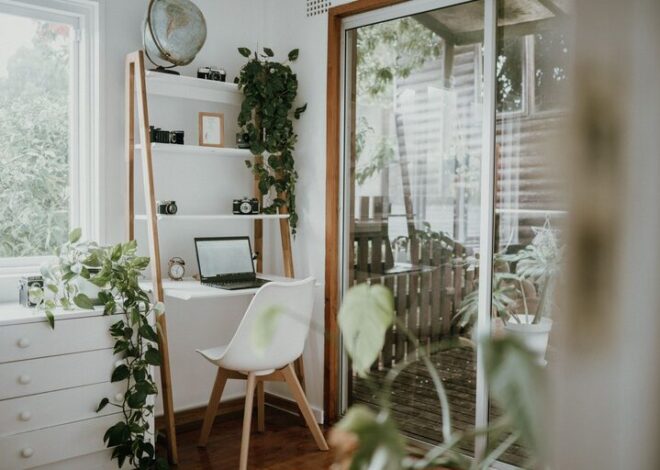
– Consider natural light: If possible, set up your workspace near a window to benefit from natural daylight, which can improve mood and alertness.
– Evaluate space needs: Make sure the area can accommodate your work essentials, such as your computer, desk, chair, and storage.
Invest in Ergonomic Furniture
Comfort plays a big role in productivity, especially when you spend long hours at your desk.
– Choose an ergonomic chair: Look for a chair that supports your spine, encourages good posture, and has adjustable height and armrests.
– Pick the right desk: Select a desk with enough surface area for your equipment, and consider standing desks or adjustable options to vary your posture.
– Use supportive accessories: Consider a keyboard tray, monitor riser, or footrest to reduce strain during work.
Keep Your Workspace Organized
A clutter-free space helps you stay focused and reduces stress.
– Declutter regularly: Take time at the end of each day to tidy your desk and put away unnecessary items.
– Use storage solutions: Invest in shelves, filing cabinets, or desk organizers to keep documents and supplies neatly stored.
– Limit distractions: Keep personal items and non-work-related materials out of sight to maintain a professional atmosphere.
Optimize Lighting
Good lighting can reduce eye strain and boost energy levels.
– Maximize natural light: Position your desk to benefit from daylight, but avoid glare on your screen.
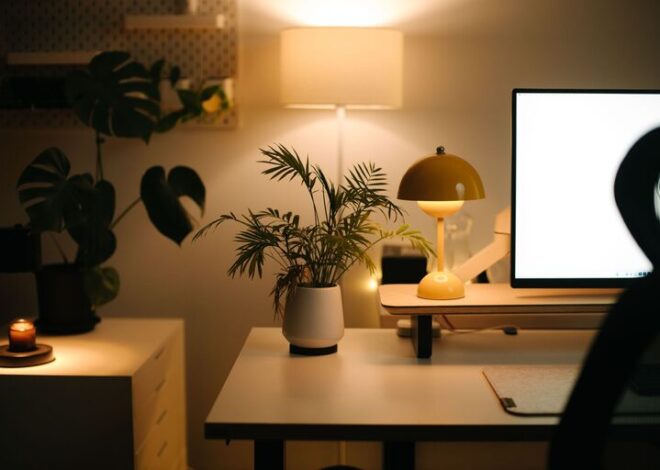
– Supplement with task lighting: Use desk lamps with adjustable brightness and color temperature to illuminate your work area efficiently.
– Avoid harsh overhead lights: Soft, diffused lighting creates a comfortable environment for long working hours.
Set Up Technology Thoughtfully
Reliable technology is crucial for smooth workdays.
– Choose quality equipment: Invest in a dependable computer, fast internet connection, and necessary peripherals like a printer or scanner.
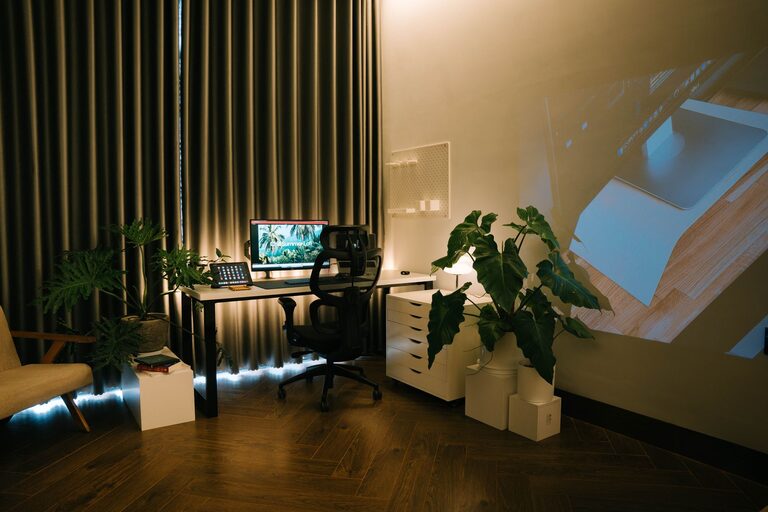
– Organize cables: Use cable management tools to keep cords neatly arranged and prevent tangling.
– Create backup plans: Have external drives or cloud storage to protect important files and ensure you don’t lose data.
Personalize Your Space Wisely
Adding personal touches can make your home office inviting without decreasing productivity.
– Incorporate inspiring elements: Use artwork, plants, or motivational quotes that uplift your mood.
– Maintain a professional vibe: Avoid excessive decorations or distractions that might break your concentration.
– Balance comfort and function: Choose colors, textures, and accessories that make you feel calm and focused.
Establish Boundaries and Routines
Creating a productive home office also involves managing how you work within the space.
– Set clear work hours: Define when your workday starts and ends to create discipline and reduce burnout.
– Communicate boundaries: Let family members or roommates know your schedule to minimize interruptions.
– Use the space exclusively for work: If possible, reserve your home office for professional activities only, helping your brain associate it with productivity.
Keep Healthy Habits in Mind
A productive workspace supports your physical and mental well-being.
– Take regular breaks: Follow the 20-20-20 rule—every 20 minutes, look at something 20 feet away for 20 seconds to rest your eyes.
– Incorporate movement: Stretch or walk around during breaks to keep blood flowing and reduce tension.
– Stay hydrated and nourished: Keep water and healthy snacks nearby to maintain energy and focus.
Final Thoughts
Designing a productive home office is a personal process that balances comfort, functionality, and aesthetics. By choosing the right location, investing in ergonomic furniture, keeping your space organized, optimizing lighting and technology, personalizing thoughtfully, setting clear boundaries, and nurturing healthy habits, you can create an environment that supports success and satisfaction in your work-from-home journey. Take time to experiment and adjust your space as your needs evolve to maintain productivity and well-being over time.