Tips for Creating a Productive Home Office Space
Working from home has become more common than ever, and having a dedicated, well-organized home office space can make a significant difference in productivity and comfort. Whether you have a whole room or just a small corner, creating an environment that supports your work habits is key. Here are some helpful tips to design a productive home office space that keeps you focused and motivated.
1. Choose the Right Location
The first step is selecting the best spot in your home for your office. Ideally, this should be a quiet, low-traffic area where you can minimize distractions.
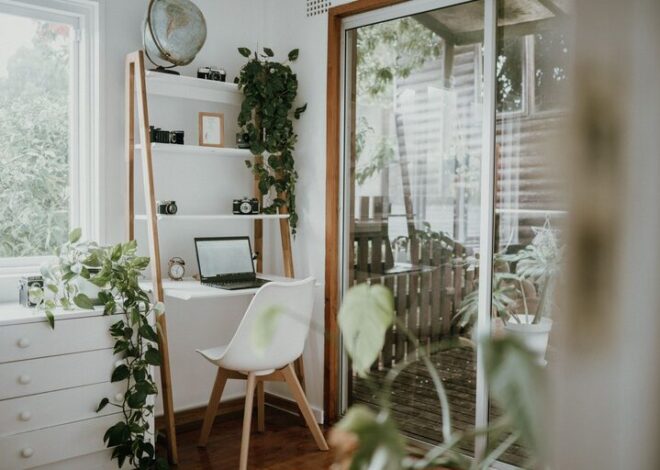
– Natural Light: Pick a space near a window if possible. Natural light helps improve mood and energy levels.
– Distance from Noise: Avoid placing your office near noisy appliances, busy rooms like the kitchen, or areas with frequent foot traffic.
– Privacy: If you share your home with others, try to choose a location that offers some privacy to take calls or attend meetings without interruptions.
2. Invest in an Ergonomic Setup
Comfort is critical for long hours spent working at home. An ergonomic office setup prevents strain and keeps you focused.
– Office Chair: Use a chair that supports your lower back and allows your feet to stand flat on the floor or on a footrest.
– Desk Height: Your desk should allow your elbows to bend at about 90 degrees when typing.
– Monitor Position: Place your monitor at eye level about an arm’s length away to reduce neck and eye strain.
– Keyboard and Mouse: Keep them close and at a height that allows relaxed shoulders with your wrists straight.
3. Declutter and Organize
A messy workspace can negatively impact your ability to concentrate. Keeping your office neat will help you stay productive.
– Storage Solutions: Use shelves, drawers, and organizers to keep supplies and documents tidy.
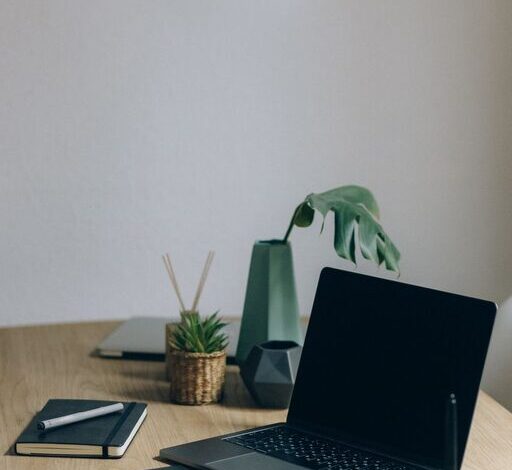
– Minimalism: Keep only the essentials on your desk; store other items out of sight.
– Cable Management: Use clips or sleeves to keep cords organized and prevent tangling.
4. Optimize Lighting
Besides natural light, proper artificial lighting is important to avoid eye strain, especially during late hours.
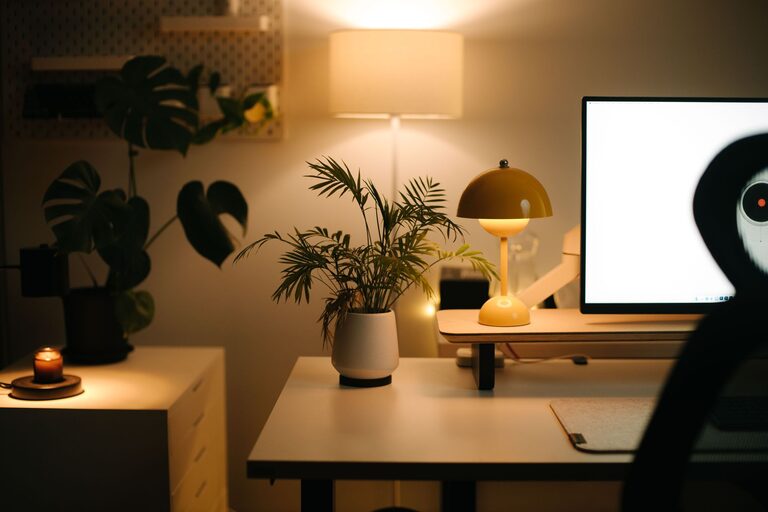
– Task Lighting: Use a desk lamp with adjustable brightness to illuminate your work area clearly.
– Ambient Lighting: Make sure the overall room lighting is sufficient and evenly spread.
– Avoid Glare: Position your monitor and lights to reduce screen glare and reflections on glossy surfaces.
5. Personalize Your Space
Adding personal touches can make your home office more inviting and motivating.
– Decor: Bring in artwork, plants, or meaningful objects that inspire you.
– Color Choices: Choose calming or energizing colors depending on your preferences. Blues and greens are often associated with focus and relaxation.
– Comfort Items: A cozy rug, cushions, or a blanket can enhance comfort during long working sessions.
6. Minimize Distractions
Staying focused at home is challenging but manageable with some strategies.
– Set Boundaries: Communicate your work hours with family or roommates and request quiet during those times.
– Turn off Notifications: Silence or limit non-work-related phone and computer notifications.
– Use Headphones: Noise-canceling headphones can help block background noise and improve concentration.
7. Keep Essential Tools Within Reach
Having your work tools easily accessible saves time and helps maintain workflow.
– Organize Supplies: Keep pens, notebooks, chargers, and other frequently used items close by.
– Digital Organization: Use folders and desktop shortcuts to quickly access files and applications.
– Whiteboard or Planner: A small board or planner can help track tasks and deadlines visually.
8. Incorporate Movement Breaks
Sitting for long periods can reduce productivity and affect health.
– Schedule Breaks: Take short breaks every hour to stretch or walk.
– Standing Desk Options: Consider a desk that allows you to alternate between sitting and standing.
– Exercise Area: If space allows, keep simple equipment or yoga mats for quick stretching or exercises.
9. Maintain Good Air Quality
Fresh air keeps your mind sharp and helps avoid fatigue.
– Ventilation: Open windows when weather permits for airflow.
– Air Purifiers: Use an air purifier if your room lacks ventilation or has dust.
– Indoor Plants: Certain plants improve air quality and add a calming vibe.
10. Establish a Routine
Your environment supports productivity, but a consistent routine helps you stay disciplined.
– Set Work Hours: Start and finish work at the same time daily.
– Morning Rituals: Prepare your workspace and plan your day before you begin.
– End-of-Day Routine: Organize your desk and shut down devices to signal the workday’s end.
—
Creating a productive home office takes time and experimentation. Use these tips as a starting point, and adjust your space as needed to match your workflow and preferences. A functional and comfortable environment will help you stay motivated and make working from home a more enjoyable experience.