Tips for Creating a Productive Home Office Environment
Creating a productive home office environment is essential for anyone working remotely or managing tasks from home. A well-designed workspace can improve focus, reduce distractions, and make your workday more enjoyable. Whether you have a dedicated room or a small corner, the following tips will help you build a home office that supports your productivity.
Choose the Right Location
The first step to a productive home office is selecting the most suitable spot.
– Quiet Space: Pick a location away from high-traffic areas and household noise to minimize distractions.
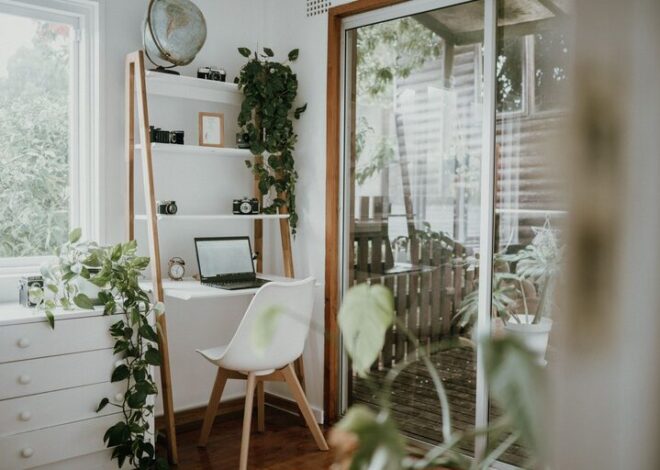
– Natural Light: Whenever possible, choose a spot near a window. Natural light boosts mood and energy levels.
– Adequate Space: Ensure there’s enough room for your desk, chair, and necessary equipment without feeling cramped.
If space is limited, consider using a room divider or screens to create a separate work zone.
Invest in Comfortable Furniture
Comfort matters a lot when you spend hours working. Invest in ergonomic furniture to support your posture and reduce fatigue.
– Ergonomic Chair: Choose a chair with adjustable height, good lumbar support, and comfortable cushioning.
– Desk Height: Your desk should allow your elbows to bend at about 90 degrees while typing.
– Footrest: If your feet do not rest flat on the floor, a footrest can improve circulation and posture.
Comfortable furniture not only reduces physical strain but also helps you remain focused.
Organize Your Workspace Efficiently
Clutter can distract and sap your energy. An organized workspace encourages efficient work and creativity.
– Declutter Regularly: Remove unnecessary items from your desk daily.
– Storage Solutions: Use shelves, drawers, and organizers to keep documents and supplies neat.
– Cable Management: Use clips or sleeves to keep cords tidy and prevent tangling.
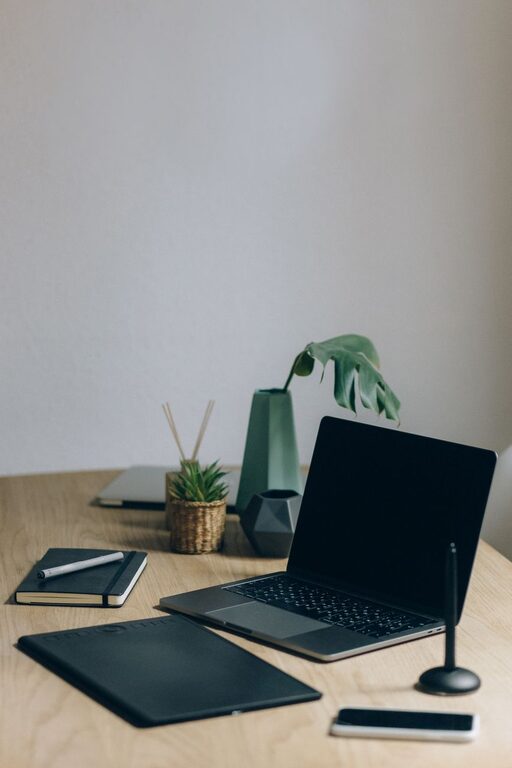
– Minimalist Approach: Keep only essential tools on your desk to maintain a clean look.
An orderly area creates a calm environment conducive to getting things done.
Optimize Lighting
Good lighting reduces eye strain and helps maintain alertness.
– Natural Light: Use daylight as much as possible.
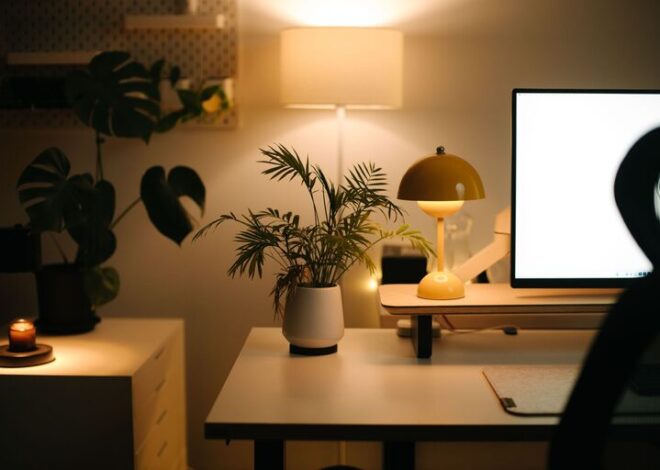
– Task Lighting: Add a desk lamp with adjustable brightness for focused tasks.
– Avoid Glare: Position your screen to prevent glare from windows or lamps.
– Soft, Warm Light: Choose lighting that isn’t too harsh to maintain a comfortable atmosphere.
Regularly check that lighting suits your work style and adjust when necessary.
Set Up Technology and Equipment
Having reliable and efficient technology improves workflow.
– High-Speed Internet: Ensure you have a stable and fast connection to avoid disruptions.
– Monitor Placement: Place monitors directly in front of you at eye level to prevent neck strain.
– Accessories: Use wireless keyboards or mice if they increase comfort and reduce clutter.
– Backup Solutions: Use cloud storage or external drives to keep your data secure.
Keeping your technology updated and well-organized helps maintain productivity.
Create Boundaries and Routines
A productive home office also depends on mindset and habits.
– Set Work Hours: Define clear start and end times to create a separation between work and personal life.
– Dress for Success: Dressing as if you’re going to an office can boost motivation.
– Regular Breaks: Use techniques like the Pomodoro method to take short, timed breaks.
– Communicate Boundaries: Let family or roommates know your work schedule to reduce interruptions.
Consistent routines help your brain stay in work mode and avoid burnout.
Personalize Your Space
While minimizing distractions is important, adding personal touches can boost your mood and creativity.
– Plants: Indoor plants improve air quality and create a calm environment.
– Artwork or Photos: Decorate with items that inspire you.
– Comfort Items: Include a cozy blanket, cushion, or a favorite mug to feel at ease.
Balance personalization with professionalism to maintain a workspace that feels inviting yet effective.
Keep Air Quality and Temperature Comfortable
A comfortable climate is key to maintaining concentration.
– Ventilation: Open windows or use fans to keep fresh air circulating.
– Temperature Control: Use heaters or air conditioners to maintain a moderate temperature.
– Air Purifiers: Consider devices to reduce dust and allergens, especially if your space tends to feel stuffy.
Good air quality supports overall health and alertness.
Regularly Review and Adjust
Your ideal home office setup may change over time. Periodically evaluate what works and what doesn’t.
– Test different layouts.
– Upgrade equipment when needed.
– Ask for feedback from family if your space overlaps with shared areas.
Being flexible ensures your home office remains a productive place.
—
Creating a productive home office environment is about combining comfort, organization, and routines that work for you. With these practical tips, you can build a space that supports your goals and makes working from home enjoyable and effective.